11 Sep
Morning Visits to Churches: St Katharine, Savernake and St Mary’s, Great Bedwyn
TIME: 9:30 AM
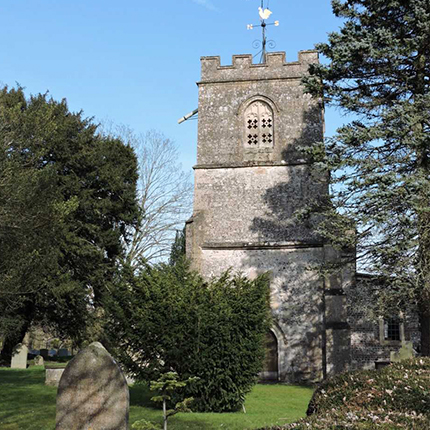
John Osborne will be leading a group of members to look at the parish churches at St. Katharine’s, Savernake Forest and St. Mary’s, Great Bedwyn on the morning of Friday 11th September, each of these fine buildings interesting for their architecture and their history.
HOW TO BOOK:
Please get in touch with John Osborne (jeo66@btinternet.com) directly if you would like come along.
17 Sep
The North Wessex Way
TIME: 7:30 PM
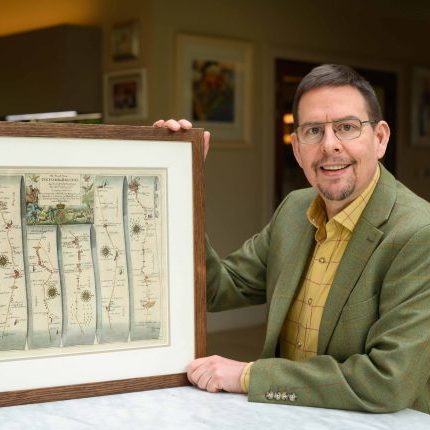
TALK: The talk is about the ancient but forgotten road from Oxford to Bristol running across the north of Wiltshire, that he discovered on a map from 1675. The route has its origins back in the Iron Age and was used by everyone in the millennia that followed: kings, armies, monks, travellers, and pilgrims. But in the 18th century, it suddenly fell into disuse due to some dodgy dealings and only now is its history and importance being recognised.
David will be covering: the geography that governed the route of the road, how it was used by the Romans, the role it played in the development of Malmesbury as a centre of religion for nearly a thousand years, the importance of Purton as a stopping off point along the route and why the church has both a spire and a tower.
SPEAKER: David Mitchell is an accidental historian who has always been interested in old maps. It was this passion that led to him uncovering the mystery of the North Wessex Way and started his gradual descent into the obsession of history!
15 Oct
“Do Not Miss This Historic Church…”
TIME: 7:30 PM
TALK: The mediaeval parish churches in and around Marlborough have a lot of charm and much historical and architectural interest. In this lecture we shall visit a selection of local churches, discover some of the chief features of these buildings and spot the different architectural styles that developed over the 500-year period of the Middle Ages.
SPEAKER: John Osborne taught Classical Languages and Ancient History at Marlborough College, where he was Senior Master, and ran a course at the College’s Summer School visiting and studying historic churches in this area. He runs similar tours for the Friends of Wiltshire Churches and is a volunteer guide at Salisbury Cathedral.
19 Nov
The History of Punch and Judy
TIME: 7:30 PM
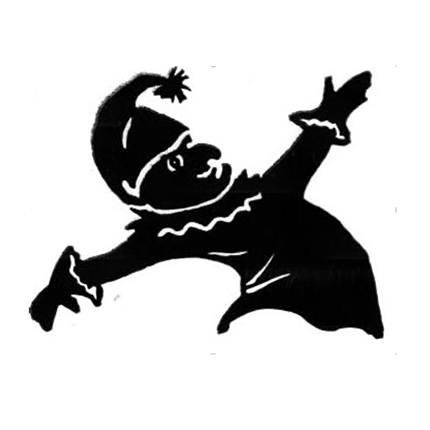
TALK: Punch represents the common man fighting his small battles with life. The characters in the traditional show are just the ones that would have beset him 1760 -1830 when the story, as we know it today, was developed. However, his story is much older than that and goes back into the medieval ages.
The conception that he is a Victorian children’s entertainment is entirely misplaced, he actually represents the outlook of the Georgian man in the street, who had the money for the Punch man’s hat. This would have been the same in Marlborough as for those watching the show in London. In the last 60 seconds of the talk Punch arrives for children.
SPEAKER: Alix Booth has been a Professor of Punch and Judy for nearly fifty years and her interest in the history has continued throughout this time. Pelham Puppets will be only briefly mentioned, as marionettes are completely different from the slapstick humour of the glove puppet theatre.