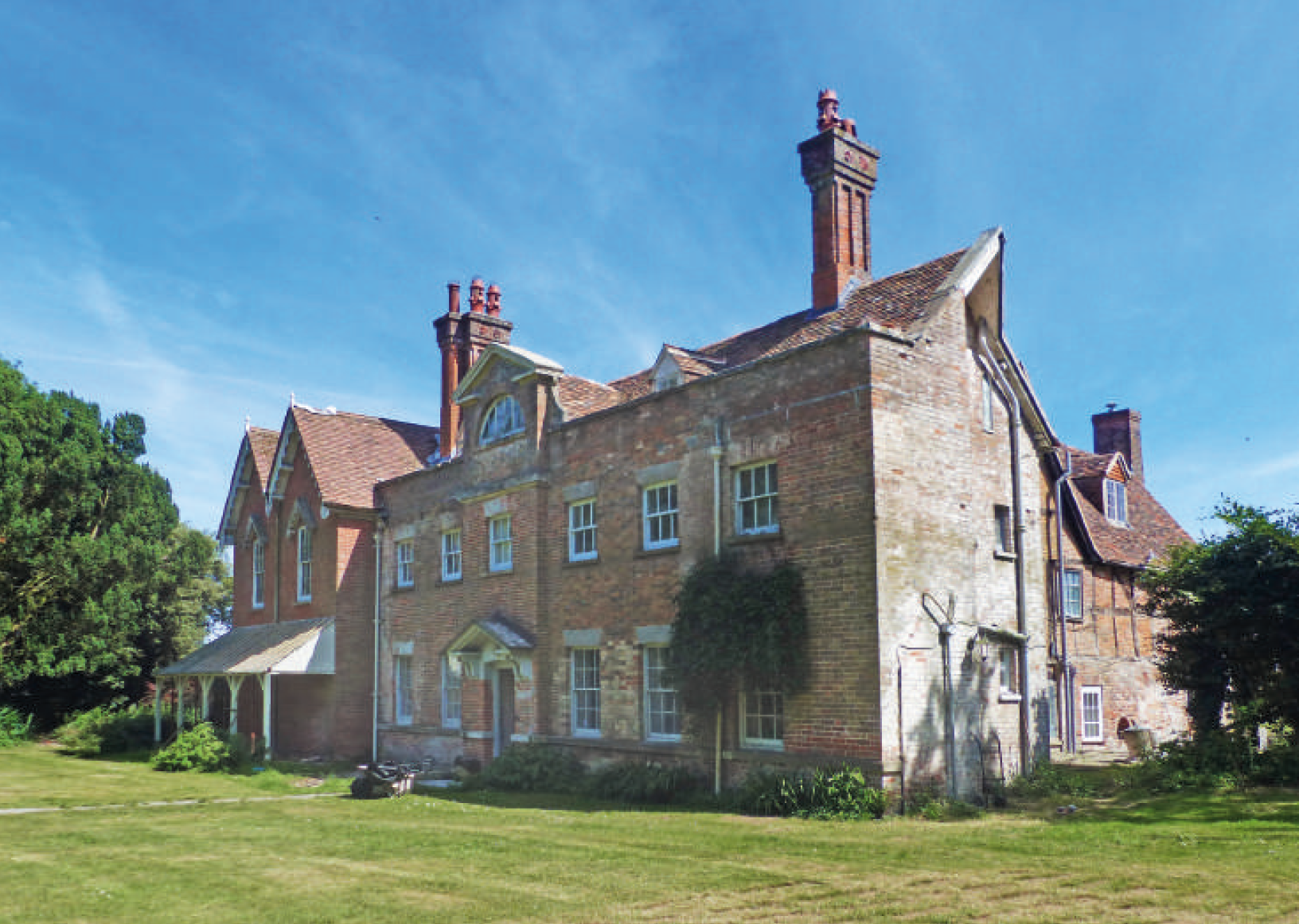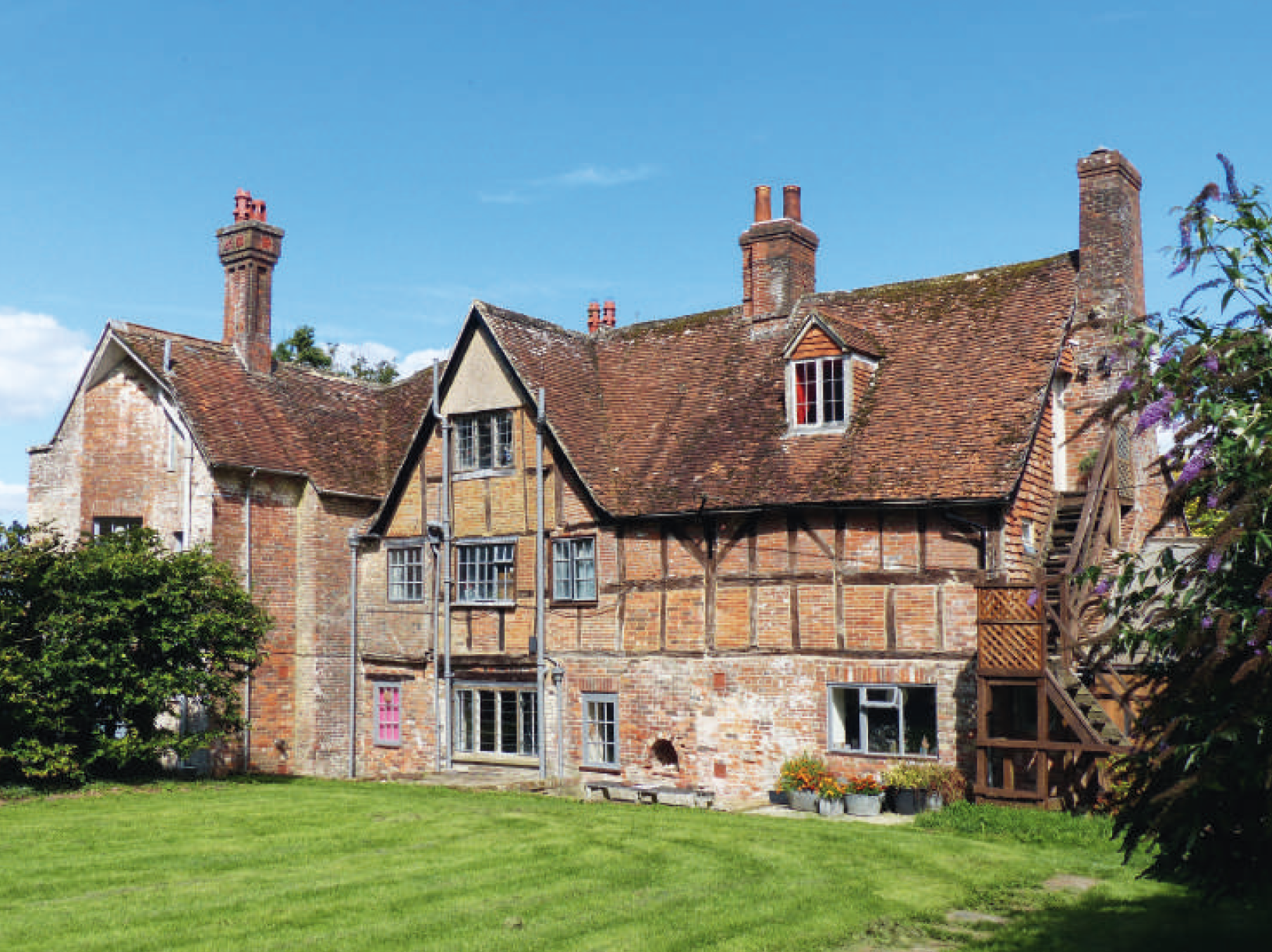
However, at one time it was sumptuous, a twin-courtyard mansion suitable to entertain the king, and of palatial proportions (Fig 1). In addition to a house, there was also a manor of Wolfhall – an area of land extending to over 2,000 acres.1 At one time there was also a small hamlet sharing the same name, which comprised 14 poll-tax payers in 1377, but which disappeared soon after.2 The book Wolf Hall3 (spelled as two words) and its sequels were groundbreaking in many ways, selling over 6 million copies in dozens of languages, spawning BBC dramas and Broadway plays, and feeding our insatiable lust for the Tudors. It brought to life the everyday existence of people in the royal court, their loves, anxieties, foibles and above all their scheming, focused on Thomas Cromwell, the entrapped henchman of Henry VIII, whose personal survival depended on fulfilling his master’s ruthless ambitions. Wolf Hall was Hilary Mantel’s 10th novel, and brought her somewhat late-flowering, but certainly global success. It is fair to say that little of the action in Wolf Hall actually takes place at the house. However, she had seized on the mythical name to conjure up the extra-ordinary compelling melodrama of the period, which has reverberations reaching into our own time. Amusingly, Hilary Mantel had written to the owners asking whether they would mind if she called her latest novel after the name of their house, adding that she never expected to sell more than a few thousand copies.
Wolfhall has been spelled at least nine different ways in the last thousand years, generally as one word, perhaps more recently as two. The ‘W’ was often unrepresented in spellings, and until the early 20th century was rarely pronounced, as seen in such variants as Oolphall or Ulfhall. In fact the earliest written reference, in Domesday, is to Ulfela.4 Later variants include Wolphall, Woolphall, Wulfhall, or Wolfhale. The second part of the name comes from the Old English healh, meaning a nook or corner. The first syllable may refer to a Saxon called Ulf, as hinted at by the earliest place-name and by the pronunciation. In that case the name would mean Ulf ’s Corner, and would have nothing to do with wolves, and nothing to do with halls. If wolves really could be the origin of the ‘ulf ’ pronunciation, the name would refer to a wolf den. However, there are no other documentary references to wolves in the Savernake area. Just as importantly, there is no ‘original’ or accurate way of spelling the name, and it is erroneous to attempt to ‘correct’ other people on this matter.
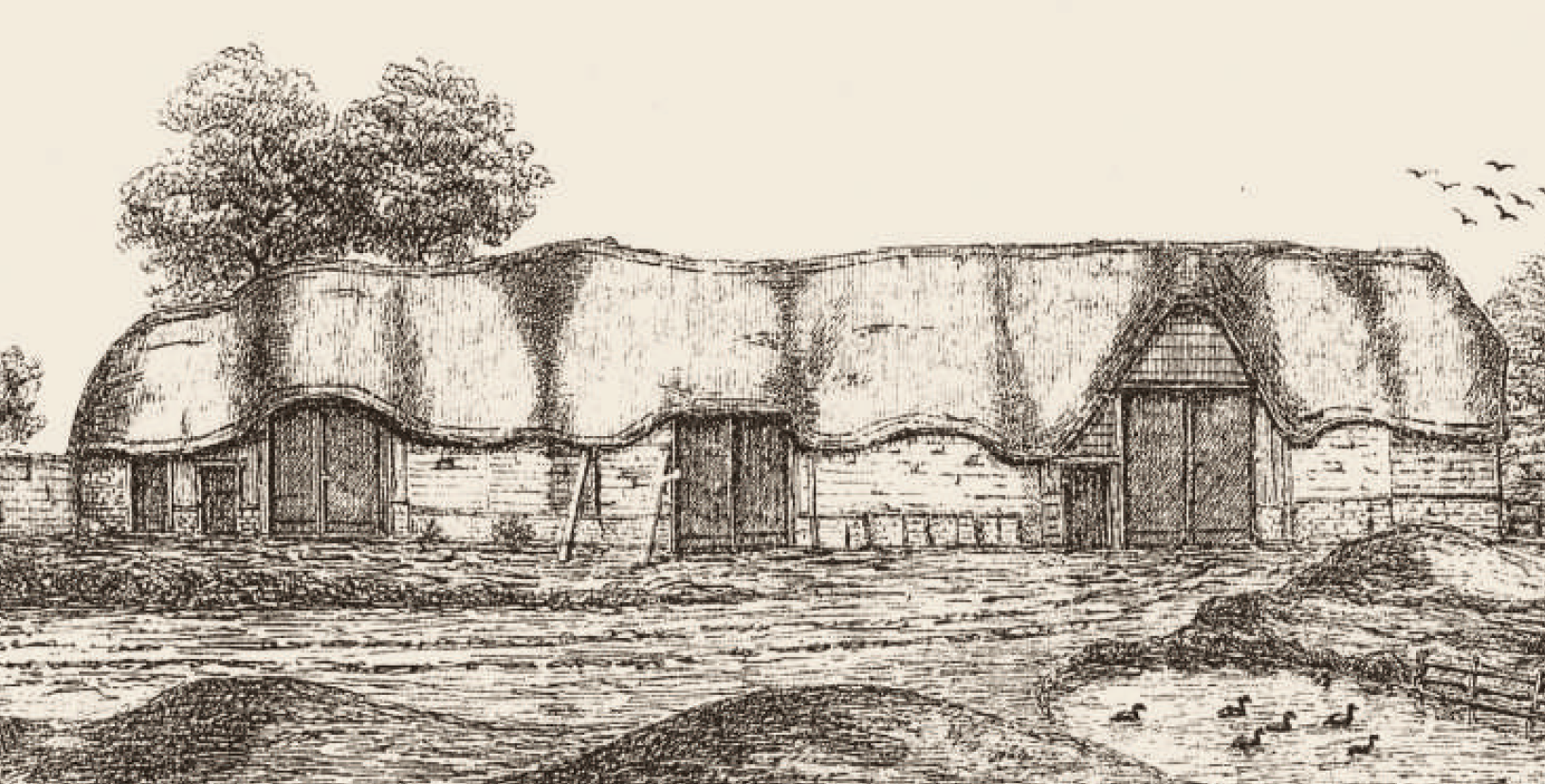
One observation that Hilary Mantel has made when she speaks about her life and her technique, is that stories can develop a life of their own. They can be passed through generations and survive for hundreds of years. Romanticised tales, which modern research can demonstrate could never possibly have happened, nevertheless persist because their adherents want to believe the charming and enticing drama exposed. This is certainly the case at Wolfhall. One hundred years ago, postcards were sold to tourists showing the great barn of Wolfhall. These stated ‘In this barn Lady Jane Seymour was married to King Henry VIII the day after Queen Anne was beheaded at Windsor. The apartment was hung with tapestry, remnants of which may still be seen’. Every part of this is palpably untrue. They were not married in a barn, but at Whitehall Palace in London; they did not marry the day after Anne Boleyn was beheaded; she was not executed at Windsor, and the notion that priceless tapestries had not been removed for nearly 400 years is laughable. And yet, even today, the myth cannot be quite killed off. Archaeologists working there are hailed by visitors asking where the barn is where Henry VIII and Jane Seymour married.